
Your Nervous System Is the New Hormone: Why Everyone Feels “Wired but Tired and Inflamed” in 2026
By Bryce Wylde, BSc (hons.), RNC, DHMHS
If you feel like your sleep is getting worse, your energy is less predictable, your digestion is more sensitive, and your mood is a little more fragile than it used to be, you are not imagining it. In 2026, more people than ever are walking around with the same confusing experience: their bloodwork looks “fine”, but their body does not feel fine. They feel tired, but wired, calm but tense, motivated but depleted, and inflamed without a clear reason.
What most people are calling “hormone imbalance” right now is often something else entirely. It is nervous system dysregulation, and it may be the single most important wellness conversation of this decade because it quietly drives the modern epidemic of fatigue, anxiety, brain fog, digestive symptoms, inflammation, cravings, and even weight resistance. The first action step is to stop chasing a single diagnosis and start asking a more useful question: is your body stuck in protection mode instead of repair mode?
The Premise: Your Body Is Either Repairing or Protecting
Your nervous system controls your internal operating system. It determines whether you are in a state of repair or a state of protection, and that distinction changes everything. When you are regulated, your body digests better, sleeps deeper, recovers faster, thinks clearer, and your hormones behave more predictably. When you are dysregulated, your body acts like it is under threat even when nothing obvious is wrong.
This is why dysregulation can masquerade as so many different conditions. It can look like anxiety, ADHD, thyroid symptoms, perimenopause, reflux, IBS, histamine sensitivity, migraines, insomnia, chronic pain, or stubborn inflammation. The most useful action here is to recognize that the symptom list is long because the nervous system touches every system. Instead of trying to “treat” every symptom separately, you start rebuilding the system that controls them.
The Elastic Band: The Simplest Definition of Resilience
I often explain the nervous system like an elastic band. A healthy nervous system stretches under stress, then snaps back quickly into calm. That snap-back is resilience, and it is one of the strongest predictors of long-term health.
When the elastic band is overstretched for too long, it loses recoil and stays pulled tight. At that point, even small stressors can feel overwhelming. Sleep becomes lighter, digestion becomes reactive, the body holds tension, inflammation rises, and mood becomes less stable. The action step is to stop assuming you need more discipline, and start assuming you need more elasticity. Your goal is not to eliminate stress, but to rebuild your ability to recover from it.
Why This Is Exploding in 2026
We are living in an era of chronic input overload. People are over-caffeinated, under-slept, over-trained, under-recovered, and constantly exposed to psychological stress, screen light, decision fatigue, and relentless stimulation. At the same time, wellness culture has become a menu of tools including cold plunges, sauna, CGMs, peptides, red light, nootropics, GLP-1 medications, and high-performance supplements.
The problem is that most of these tools are not neutral. They can be themselves stressors. Some are excellent stressors when used properly, but they require an underlying nervous system that still has elasticity. The action step is to stop treating trends like universal solutions and start treating them like dosage-dependent interventions.
Cold Plunges and Contrast Therapy: Hormesis or Gasoline?
Cold exposure is one of the most popular trends in wellness, and for good reason. It can build stress tolerance, sharpen mood, reduce inflammation, and improve resilience through hormesis, the concept that small doses of stress can make the body stronger. However, cold is still stress, and the body does not care whether the stress came from a meeting, a relationship, a deadline, or a tub of ice water.
If you are already living in a high-adrenaline state, cold plunges can worsen anxiety, insomnia, palpitations, and even blood pressure. For some people, cold is medicine. For others, it is gasoline on a fire. The action step is to assess how you respond in the next 6 to 12 hours, not how you feel in the first 60 seconds. If cold improves your mood and sleep, it may be a fit. If it makes you wired, restless, or unable to settle at night, it is not the right tool right now.
Sauna: One of the Best Parasympathetic Trainers We Have
Sauna has become one of the most exciting longevity tools because it is now widely discussed not just for relaxation, but for cardiovascular health, circulation, endothelial function, and the activation of heat-shock proteins that support cellular repair. Sauna can also be one of the most effective parasympathetic trainers when used correctly, because it teaches the body to downshift while still under a controlled stimulus.
In practice, sauna is often better tolerated than cold for people who are wired, tense, inflamed, and holding stress in their body. That said, sauna still has a dose, and too much heat, too long, too frequently can become another stressor. The action step is to treat sauna like exercise, start small, stay consistent, and watch your sleep. If sauna improves your sleep and recovery, it is likely supporting regulation. If it makes you depleted or disrupts sleep, you are overdosing it.
HRV Training: The Most Underrated Trend in Wellness
HRV, or heart rate variability, has become one of the most important biomarkers in consumer health. It is not perfect, but it is powerful because it reflects nervous system adaptability. When HRV is improving, people usually sleep better, recover better, and feel more stable. When HRV is falling, it often predicts fatigue, irritability, cravings, inflammation, and poor sleep before people consciously notice it.
One of the most underrated wellness trends right now is learning how to train your nervous system using breathwork, biofeedback, and HRV-guided recovery. This is where technology can actually serve health instead of distracting from it. The action step is to stop using wearables only for performance metrics and start using them as recovery dashboards. Your nervous system does not need motivation. It needs training.
Sleep Optimization: The New Status Symbol
The most elite health behavior in 2026 is not fasting. It is sleeping. Sleep has become the centerpiece of longevity, brain health, metabolic regulation, and hormone balance. Yet more people than ever are struggling to get deep, restorative sleep, and the reason is not always magnesium deficiency.
Often, the reason is that dysregulation creates a state where the body cannot drop into deep repair. Sleep becomes light, fragmented, and unrefreshing because the nervous system is still “on.” The action step is to stop treating sleep like a supplement problem and start treating it like a safety problem. Your sleep improves when your nervous system believes it is safe enough to let go.
Peptides: The Most Expensive Distraction in Modern Wellness
Peptides are having a cultural moment, and people are talking about them as if they are the new multivitamin. Some of these compounds are genuinely promising, and I do believe peptides will become part of the future of personalized medicine. However, peptides are not lifestyle. They are biology, and they are often the most expensive distraction in modern wellness when the fundamentals are not addressed first.
The action step is to treat peptides as advanced tools, not foundational ones. If your sleep is broken, your stress chemistry is high, your recovery is poor, and your blood sugar is unstable, peptides rarely fix the root issue. They simply add another layer to the stack.
3 Must-Ask Questions Before You Try Any Trend
Before you adopt the next viral wellness trend, ask yourself three questions. The first question is whether the trend is a stressor or a support for your nervous system. If you are already wired, the best biohack might be recovery, not stimulation. The second question is whether the trend lowers inflammation or simply pushes you through it. If it improves performance but worsens sleep, it is rarely a long-term win. The third question is whether your biology tolerates stimulation. Some people thrive on intensity. Others become anxious, inflamed, and depleted. The action step is to stop copying other people’s routines and start building your own, based on your response and your physiology.
Genetics: Why Some People Are “Worriers” and Others Are “Warriors”
One of the most overlooked truths in wellness is that the human body is not one-size-fits-all. Some people are biologically built to handle stress chemistry better than others. Some clear adrenaline and dopamine efficiently, while others hold onto it longer. This is one reason some people are “warriors” who thrive under pressure, while others are “worriers” who feel stress more intensely and take longer to recover from it.
This is not a personality flaw. It is often biology, and several genetic pathways influence executive function, mood, and behavior in ways that shape how a person experiences modern life. The action step is to stop assuming your response to stress is purely psychological and start recognizing that your stress physiology may be different from the people you are comparing yourself to.
COMT: The Stress Chemistry Clearance Pathway
COMT helps break down dopamine, adrenaline, and noradrenaline. When COMT activity is slower, a person tends to be more sensitive to stress chemistry. These individuals can be brilliant, creative, and high-performing, but they are more likely to experience overstimulation, racing thoughts, and difficulty shutting off at night. They are also often the people who feel worse with too much caffeine, too much high-intensity exercise, or overly aggressive supplementation.
The action step for COMT-sensitive individuals is to stop treating stimulation as the default strategy. They often do best with steady routines, consistent recovery, and nervous system regulation that lowers baseline stress chemistry rather than spiking it.
ADRA2B: The Adrenaline Intensity Pathway
ADRA2B is associated with how intensely the body responds to adrenaline and threat. Some people have a more amplified fight-or-flight response. Their body reacts strongly, and their nervous system can take longer to return to baseline. These individuals often describe feeling “on edge,” especially during busy periods, and they can be more vulnerable to sleep disruption when stress accumulates.
The action step is to stop layering more intensity onto an already intense nervous system. ADRA2B-sensitive individuals often benefit most from parasympathetic training, consistent recovery, and gentle hormetic stress rather than aggressive challenges.
5-HTTLPR: The Stress Sensitivity Pathway
5-HTTLPR is a serotonin transporter variant that has been associated with increased stress sensitivity in some individuals. People with the more sensitive form often feel stress more deeply. They can be highly empathetic, perceptive, and emotionally intelligent, but they are also more vulnerable to chronic stress and mood disruption when life becomes too intense.
The action step is to stop interpreting this sensitivity as weakness. In a world of constant stimulation, these individuals are not broken. They simply require more stability, more recovery, and more deliberate regulation to thrive.
BDNF: Neuroplasticity and Mood Resilience
BDNF influences brain-derived neurotrophic factor, which supports neuroplasticity, learning, and resilience. Some individuals are more dependent on exercise, sleep, and nutrient status to keep BDNF strong. When those foundations slip, mood, motivation, and cognitive clarity can slip with it.
The action step is to stop treating brain health as a supplement-only category. For many people, the most powerful BDNF support comes from consistent movement, deep sleep, and reduced inflammation, not from chasing the newest nootropic trend.
Supplements That Are Trending: What I Actually See in Practice
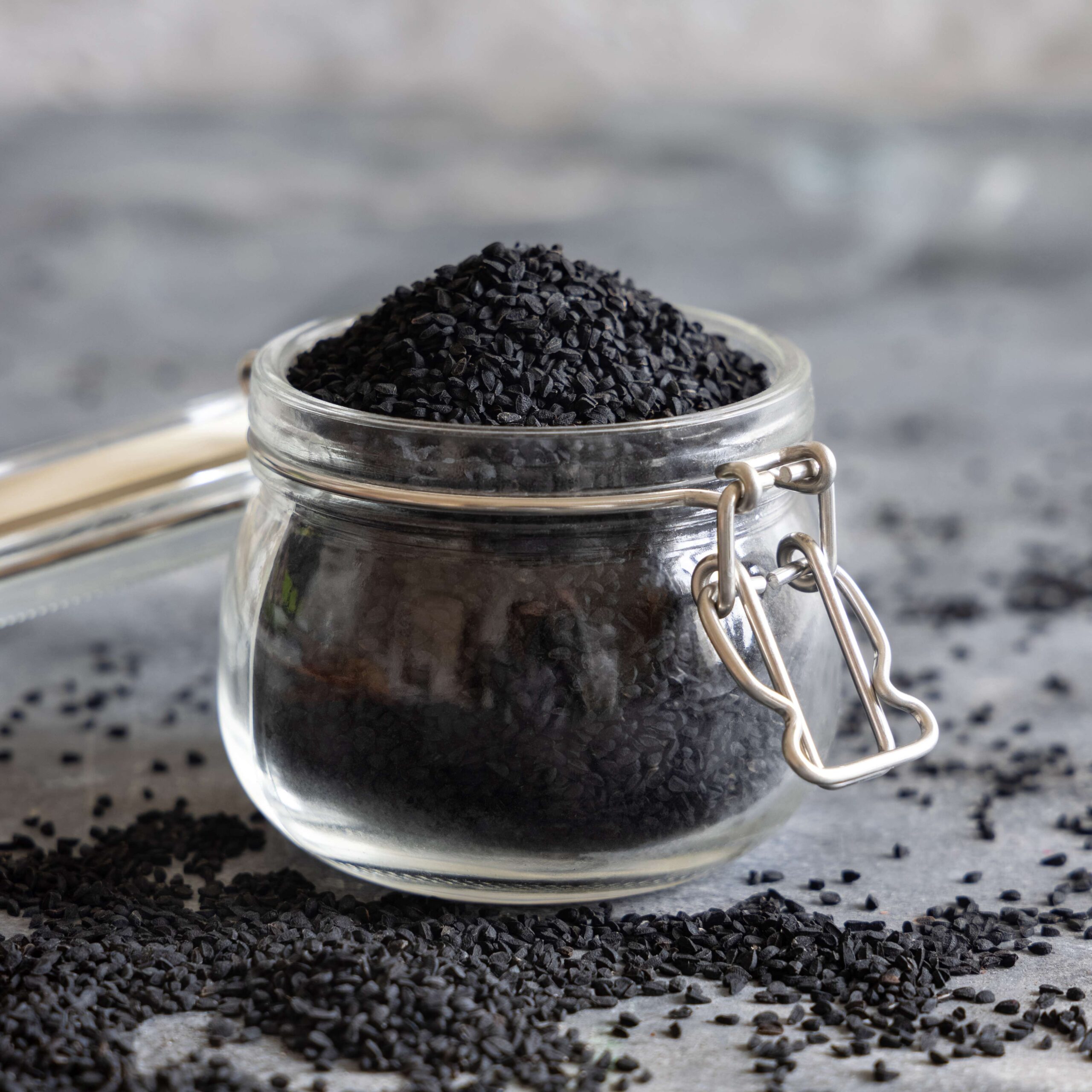
Black seed oil is trending for good reason. It has a long history of traditional use and is now widely discussed for immune balance, inflammation modulation, and metabolic support. In practice, it often functions like a quiet stabilizer rather than a stimulant, and it tends to be one of the more broadly tolerated tools for people who feel inflamed and reactive. The action step is to treat black seed oil as a stabilizer, not an energy product, and to use it consistently rather than sporadically.
Ashwagandha is a perfect example of why personalization matters. For the right person, it supports stress adaptation, sleep quality, and cortisol rhythm. For the wrong person, it can worsen agitation, flatten mood, or disrupt sleep. The action step is to treat ashwagandha like a nervous system tool, not a wellness accessory. If it makes you feel calmer and sleep deeper, it may be appropriate. If it makes you feel emotionally blunted or restless, it is not the right fit.
Magnesium glycinate, glycine, L-theanine, and apigenin are dominating the sleep conversation. They can be helpful, but they are not a replacement for sleep physiology. The action step is to use supplements as support while addressing the deeper driver, which is nervous system safety. If your body does not feel safe enough to drop into deep sleep, the best stack in the world will only go so far.
The Top Three Peptides Everyone Is Talking About, and Why They Aren’t Worth It
BPC-157 is heavily marketed for gut repair, tendon healing, and injury recovery. The problem is not that it is useless. The problem is that many people are using it as a shortcut while ignoring the basics of tissue healing. The most important ones are sleep, protein intake, micronutrient sufficiency, inflammation control, and training load management. The action step is to address foundational repair first, because if you are inflamed, under-slept, and over-trained, BPC-157 often becomes an expensive bandage rather than a real solution.
TB-500 is often discussed in the context of muscle recovery and connective tissue repair. Again, the issue is not that it cannot have biological effects. The issue is that the average person chasing TB-500 is not addressing why they are not recovering in the first place. In practice, the most common causes of poor recovery are not a lack of peptides. They are nervous system stress, blood sugar instability, low sleep quality, poor protein intake, and excessive intensity. The action step is to correct the recovery bottlenecks before you invest in a compound that may not move the needle.
Thymosin Alpha-1 is often discussed as an immune modulator, which sounds attractive in an era where people feel chronically run down. However, immune dysfunction is rarely solved by one molecule. If your immune system is struggling, it is usually because the terrain is compromised from lack of sleep, high stress, leaky gut, nutrient depletion, and inflammation overload. The action step is to stabilize the terrain before spending heavily on immune peptides, because for many people this is a low-return strategy compared to foundational immune restoration.
The Deeper Truth About Peptides
Peptides will never replace the fundamentals. The people who benefit most from peptides will be the people who already have the fundamentals in place. If your nervous system is dysregulated, peptides rarely fix the root issue. They simply add another layer to the stack, and they often distract from the work that actually creates lasting change.
The action step is to treat peptides as a layer, not a foundation. If you cannot sleep, recover, regulate stress, and stabilize blood sugar, peptides are unlikely to deliver the outcome you are hoping for.
The Most Important Wellness Trend of All: Training Recovery
If I had to pick one trend that I believe is truly the future, it is that we are moving into an era where people will train for recovery like they train for fitness. HRV-guided recovery, parasympathetic training, and sleep architecture optimization are becoming the foundation of longevity.
A simple daily protocol of guided breathing, morning light exposure, blood sugar stability, and recovery workouts will outperform most viral hacks over the long term. The action step is to stop measuring health only by output and start measuring it by adaptability. Your recovery capacity is your longevity capacity.
A Simple Seven-Day Nervous System Reset
If you feel tired but wired, inflamed, anxious, or chronically unrefreshed, try a seven-day reset that focuses on restoring physiology rather than chasing extremes. Begin by regulating your mornings with natural light exposure within 30 minutes of waking, a protein-forward breakfast, and delaying caffeine for 60 to 90 minutes. This reduces the chance that your day begins with adrenaline rather than stability.
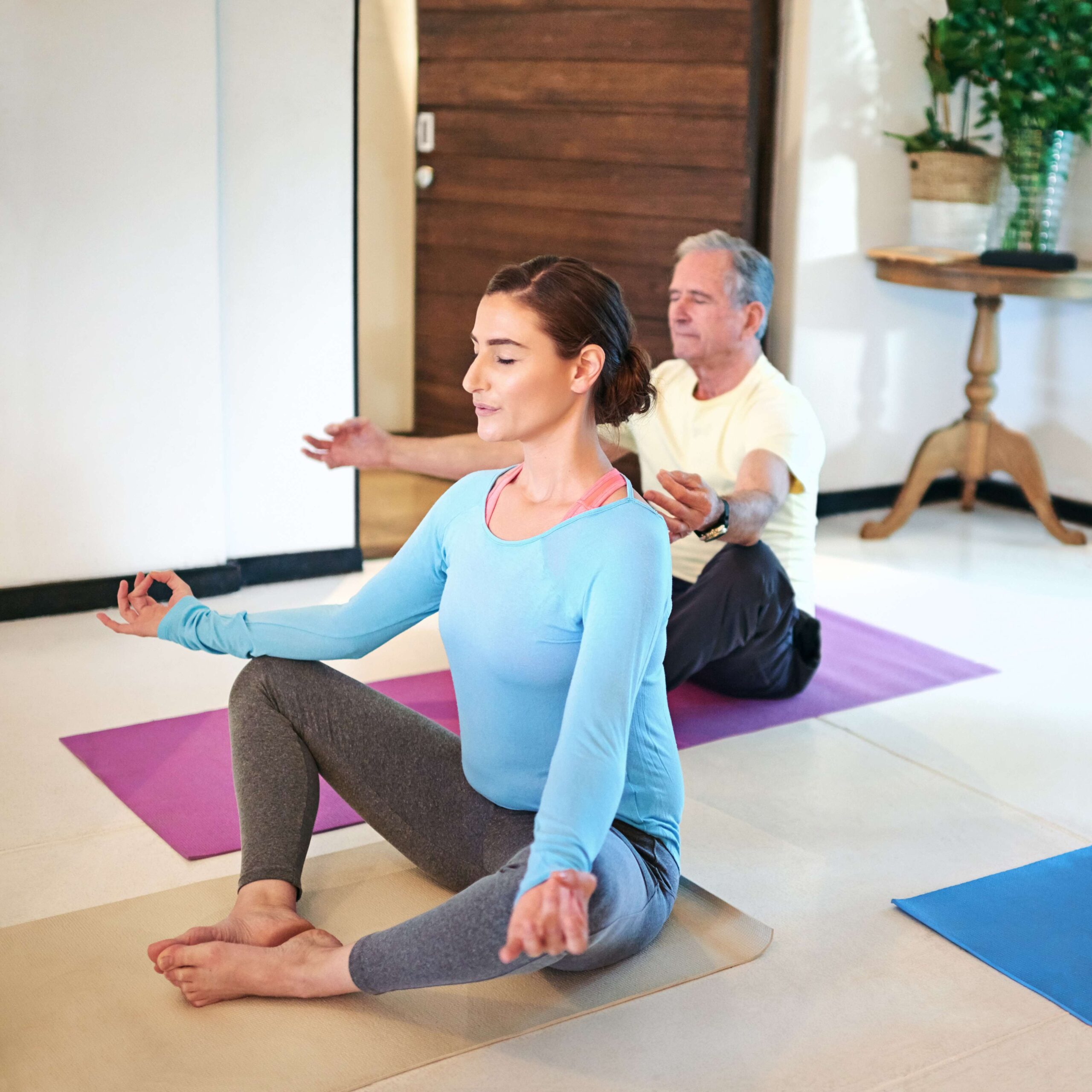
Build two parasympathetic downshifts into your day using three minutes of slow nasal breathing, a short walk, or legs up the wall. This is not a luxury. It is nervous system training. Add a 10-minute walk after lunch or dinner, because post-meal movement is one of the most underrated blood sugar and inflammation interventions available.
If you are wired, anxious, or inflamed, reduce HIIT for one week and replace it with walking, zone 2, mobility, or sauna. This is not about doing less. It is about doing what restores elasticity. Treat sleep like medicine by keeping the room cool, dimming lights after 9 pm, keeping the phone out of the bed, and using magnesium glycinate if tolerated. The most important action is to stop trying to win sleep and start teaching your body safety.
The Conclusion: Nervous System Elasticity Is the New Longevity
In 2026, the most powerful wellness upgrade is not another supplement. It is nervous system elasticity. When your body can snap back into calm, everything works better. Your sleep deepens, your digestion improves, your hormones stabilize, your inflammation lowers, and your brain becomes clearer.
This is when all the other wellness tools start working again, not because you found the perfect hack, but because you rebuilt the system that makes healing possible. If there is one wellness trend worth investing in this year, it is not the next viral supplement. It is learning how to regulate your nervous system, because the nervous system is the new hormone, and resilience is the new medicine.