By: Andrea Donsky
If you’ve heard the buzz about black seed oil (Nigella sativa) and wondered if it’s legit for
midlife health, you’re not alone.
In this article, we’ll unpack what actually matters when it comes to black seed oil quality,
how to interpret labels, and where the research points for women in perimenopause and
menopause.
What Black Seed Oil Actually Is and Why Quality Matters
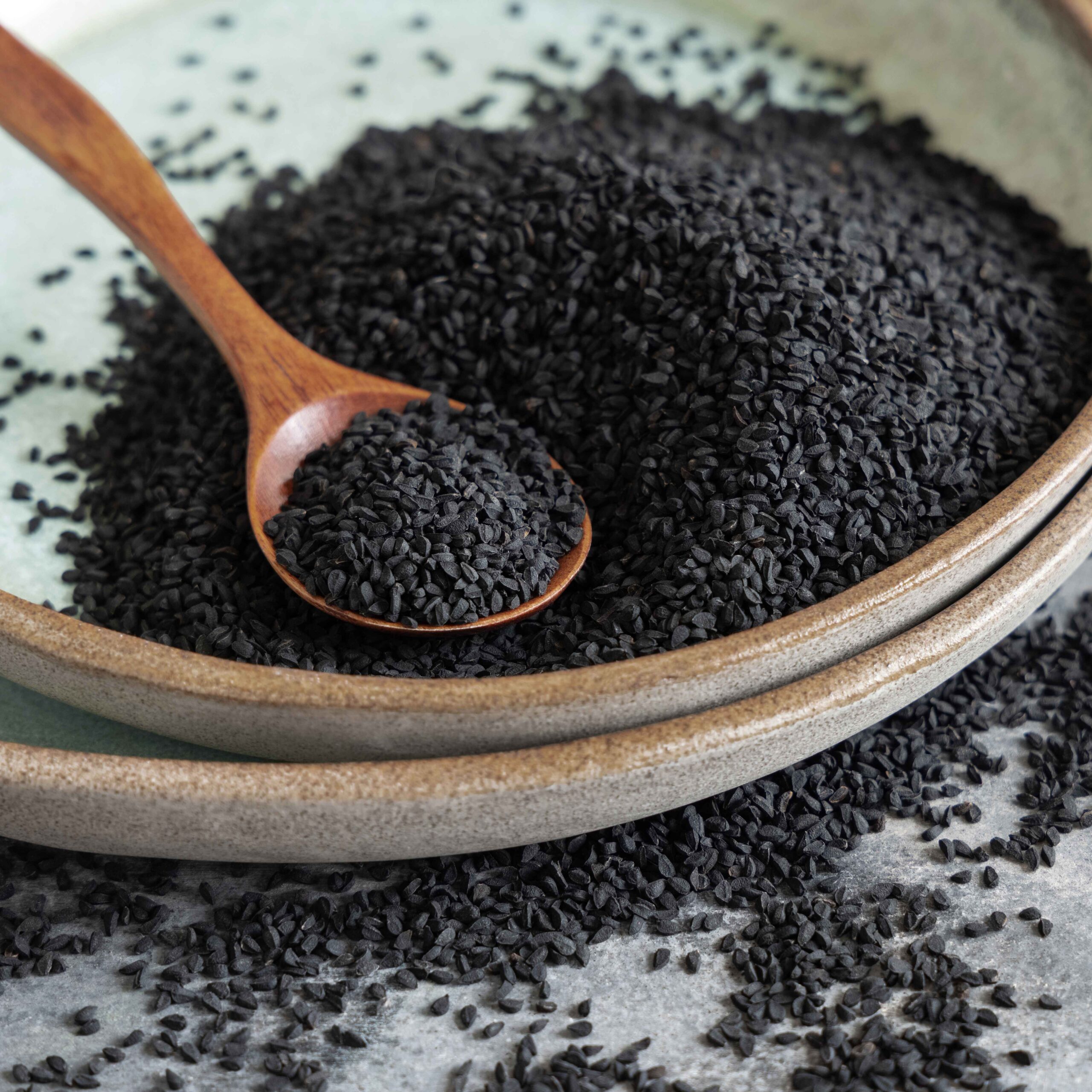
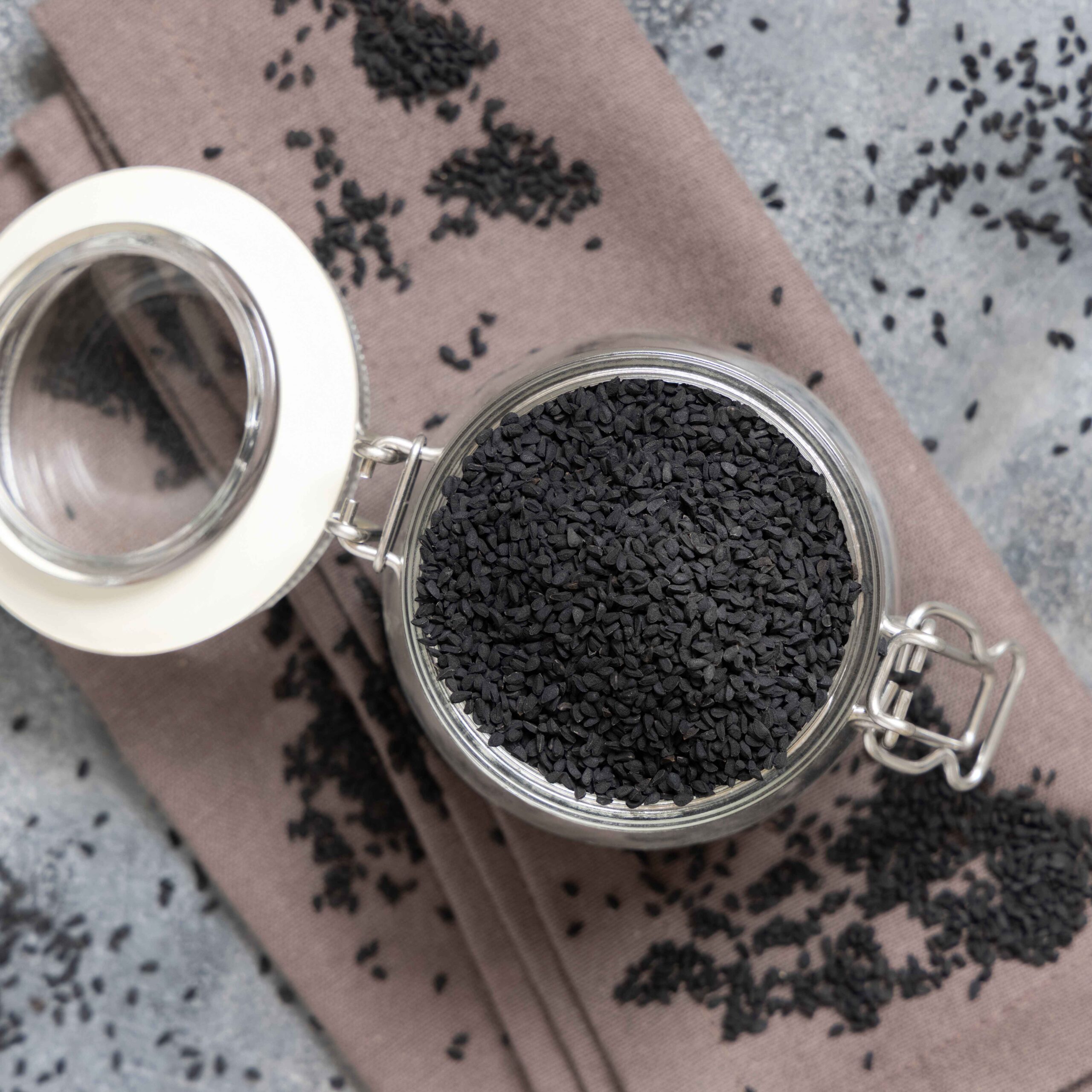
Black seed oil is a natural oil that contains many beneficial ingredients. The most important
compound is thymoquinone (TQ), which is known for supporting a healthy inflammatory
response, metabolism, and heart health. But keep in mind that the strength and effects can
vary significantly across different black seed oils.
There are two big quality issues to watch:
● Free fatty acids (FFA): High FFA is a red flag for possible rancidity. In practical
terms, rancid oil tastes and smells harsher and may promote inflammation rather
than reduce it. Many off-the-shelf products tested showed FFA levels from ~7.5% to
a whopping 30% or more, which is well above what you’d want in a daily
supplement. For reference, the benchmark for food oils like olive oil is under 2%
FFA; while that exact regulation doesn’t apply to supplements, it’s still a useful
quality bar.
● Standardized thymoquinone: Thymoquinone content varies widely, from as low as
0.2–0.5% to several percent. But more is not necessarily better, as the balance
between thymoquinone and free fatty acids is critical. Standardization of
thymoquinone ensures you receive the specified bioactive dose per serving. A
common, effective standard is 3% TQ.
Full-spectrum vs. isolated actives
A “full spectrum” oil retains the full range of compounds found in the seed, including
phytosterols and related precursors. This is important because these compounds work
synergistically with thymoquinone (TQ) to enhance its effectiveness. While focusing solely
on the amount of thymoquinone might sound good in marketing copy, it sacrifices the
supporting elements that enhance its overall value.
Absorbability: Why Bioavailability Isn’t Just a Buzzword
You can swallow 2,000 mg of a mediocre oil and still absorb relatively little of the active
compounds. These are important factors to keep in mind when it comes to bioavailability:
● The oil format (softgels rather than powders) tends to support better uptake.
● Standardization, combined with low rancidity, protects actives from degradation and
makes the oil easier to tolerate.
What the Research Suggests for Midlife Health
A broad body of studies points to several core areas where black seed oil may help:
● Blood pressure: In some cases, supportive reductions are seen within days. If
you’re on antihypertensive medication, talk to your doctor before adding black seed
oil, as you may need dose adjustments to avoid excessive lowering.
● Glucose and insulin resistance: Improving insulin resistance improves glucose
control, which is key for menopausal metabolic shifts and weight management.
● Liver health: Supportive data for fatty liver make black seed oil compelling for the
many midlife adults dealing with fatty liver and related inflammation.
● Inflammation and immunity: Thymoquinone’s anti-inflammatory activity appears
robust and broad, with immune-supportive effects that may be partly mediated
through the gut.
● Gut health: Black seed oil can help modulate the microbiome profile. If you have a
sensitive stomach, take it with food; otherwise, an empty stomach is fine.
How to Read a Label (and What to Ask)
Because supplement labeling isn’t tightly regulated for these specifics, you’ll often need to
ask the brand:
● Is the oil standardized for thymoquinone? If so, for what percentage?
● What’s the free fatty acid (FFA) level? (Aim for <2%– the lower the better.)
● Is it full-spectrum and cold-pressed? (Cold-pressed means no solvents.)
● Any third-party quality standards (e.g., USP-grade, GRAS self-affirmation for dosing
ranges)?
Dosing and Tolerability
● Typical daily dose: 1–2 softgels (often 500 mg each), taken on an empty stomach or
with food if you’re sensitive.
● Upper range: Up to 4 softgels per day is generally recognized as safe (GRAS) for
many standardized products, but more isn’t necessarily better. It’s best to start low
and work your way up based on your goals and tolerance.
● Who should be cautious: Those with very sensitive stomachs, people taking blood
pressure medication, and anyone with a complex medical history should consult a
clinician first.
Why “Rancidity” Isn’t Just a Taste Issue
High free fatty acids don’t just make an oil taste sharp; they’re a biochemical signal telling
you that fats have broken down. Elevated free fatty acids can blunt the very anti-
inflammatory effects for which you’re taking the oil. In other words, if you’re interested in
results, purity matters.
Bottom Line
For women in perimenopause and menopause, a supplement like Morphus ThymoQuin can
be a smart, evidence-supported add-on for cardiometabolic health, liver support,
inflammation, immunity, and gut balance, if you choose the right product.
Prioritize:
● Full-spectrum, cold-pressed oil
● Standardized thymoquinone (around 3%)
● Very low free fatty acids (ideally under 2%)
Pair that with sensible dosing and medical guidance if you’re on blood pressure meds, and
you’ve got a high-quality tool that fits the unique physiology of midlife.