By: Maya Cerantola
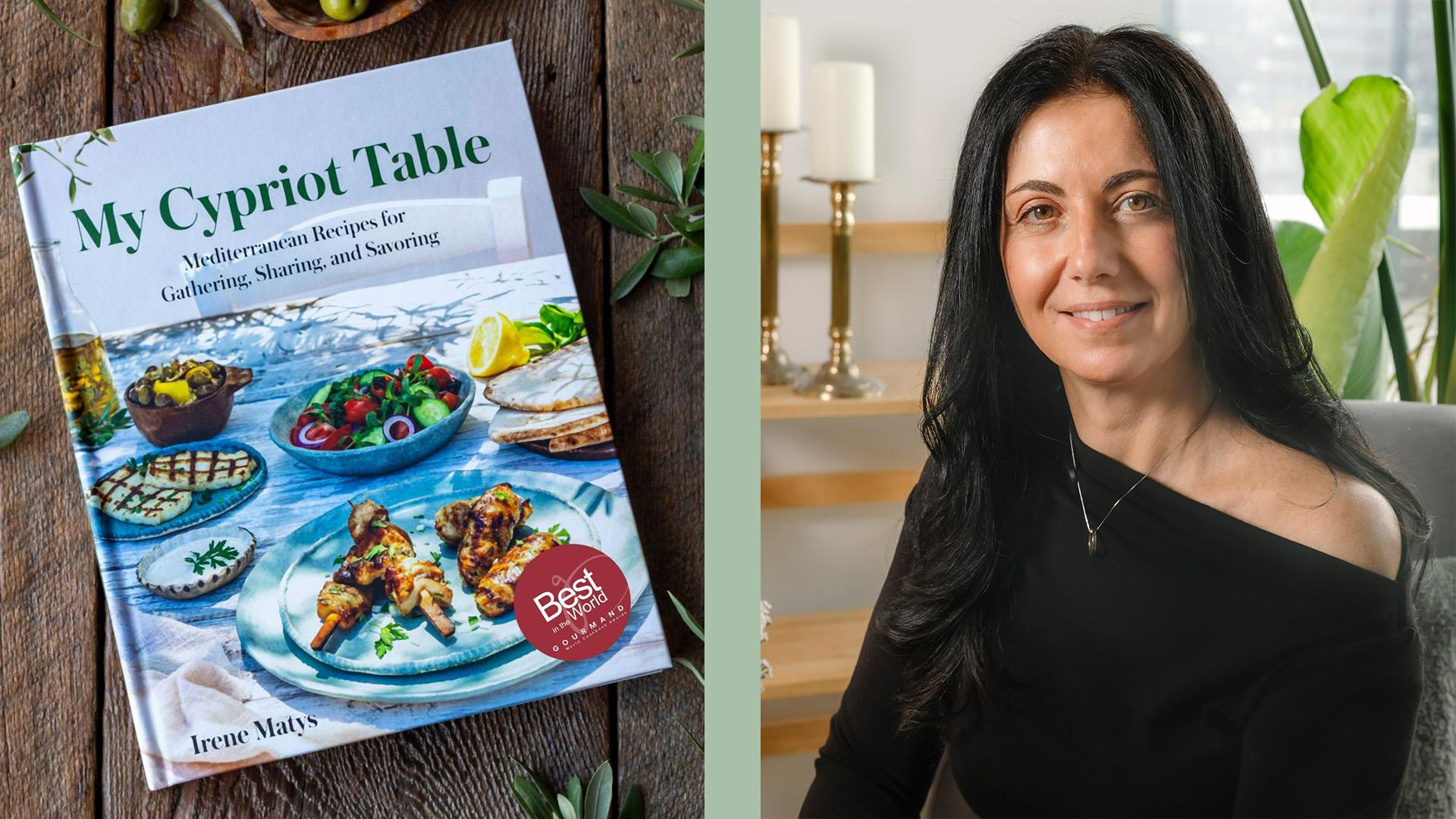
Every cookbook tells a story, but some carry the weight of generations. My Cypriot Table is more than a collection of recipes; it’s a deeply personal tribute to heritage for Irene Matys. Rooted in memory and tradition, the book honours her parents’ legacy while beginning one of her own, created for her three daughters, her grandchildren, and generations to come. Growing up in her parents’ restaurant, surrounded by traditional cuisine, her family, and their garden, left a lasting impact. Over time, she developed a deep connection to cooking, one that now lives within the pages of her book.
As she moved through different stages of her life, Irene felt a growing pull to reconnect with her roots and preserve the traditions that shaped her. Creating My Cypriot Table was a way to reconnect with where she comes from and where she is now. It became a way to honour her past while ensuring those recipes and stories continue.
Since its release, the book has received meaningful recognition, including a Gourmand World Cookbook Award and a spot as a Globe and Mail bestseller. While these milestones highlight the book’s success, what has resonated most with Irene are the personal connections it has created. She has had the opportunity to collaborate with chefs and farmers who have embraced Cypriot flavours, and to hear from readers who feel seen or inspired by her work; the impact has gone far beyond the page. Even at home, seeing her daughters cook from the book has been a grounding reminder of how far it has come and of how everything has come full circle.
Sharing Cypriot cuisine on a global level is something Irene approaches with both pride and purpose. Despite its depth and history, Cyprus is often overlooked in larger food conversations. Through her work, she’s helping bring more attention to these traditions, using food as a way to preserve culture and create connection. At a time when people are looking for more authenticity in what they eat, her perspective adds something honest and meaningful to the conversation.
My Cypriot Table is rooted in seasonality, generosity, and bringing people together. She hopes it encourages readers to experience Cyprus firsthand, while also showing how these flavours can translate wherever you are. She embraces the idea of pairing them with the Canadian bounty available here, making the dishes both accessible and adaptable. “Even if the flavours are new, the goal is for the feeling to remain familiar,” she says. “That sense of comfort, connection, and slowing down around the table.”
That perspective is rooted in the way Irene learned to cook. “My upbringing shaped everything,” she says. After immigrating, her parents made a conscious effort to keep their Cypriot traditions alive not only through food but also through music, dance, and shared celebrations. In the kitchen, she watched her mom and yiayia (grandmother) cook intuitively. Those early experiences shaped her approach, one that values intuition, tradition, and a sense of personal interpretation, all of which carry throughout the book.
Despite its depth, the book remains approachable. For those new to Cypriot cooking, Irene always encourages people to start simple, with dishes like a traditional village salad, dips, or a comforting dish of fasolaki yahni. When it comes to ingredients, “Good olive oil, fresh herbs, lemons, and pantry staples like legumes form the foundation of Cypriot cooking,” she says. “Once you understand those basics, everything else builds from there.”
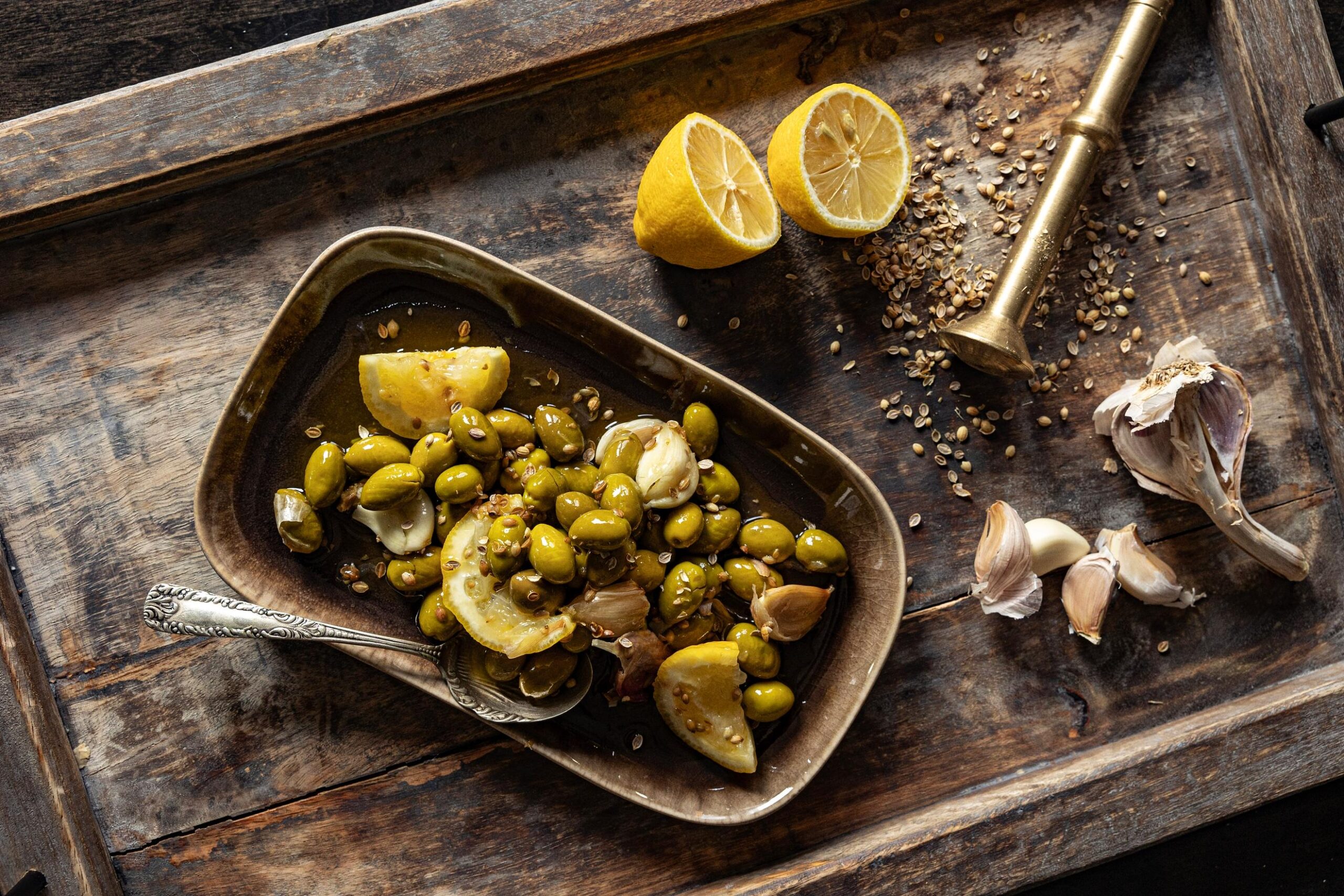
One of the simplest ways to experience these foundational flavours is through Elies Tsakistes. These cracked green olives are a staple in Cypriot kitchens and a perfect introduction to the island’s culinary heritage.
Elies Tsakistes (Cracked Green Olives with Coriander, Garlic, and Lemon)
Serves 6–8
- 2 cups green cracked olives
- 1/4 cup lemon juice (1 small lemon), reserving the lemon
- 1/4 cup extra virgin olive oil
- 1/2 teaspoon sea salt
- 2 tablespoons cracked coriander
- 3 garlic cloves with skin, crushed
Instructions:
In a medium bowl mix all ingredients together.
Quarter the lemon and mix into the olives.
Let marinade in an airtight container in the refrigerator overnight.
Serve at room temperature.
Tip:
Olives can be stored in the refrigerator in an airtight container up to a week. The longer they marinate, the more flavourful they become.
Use the leftover marinade in salad dressings or sautéing your potatoes.
Beyond the recipes, visual storytelling plays a key role in shaping the book’s experience. For Irene, it was important to capture not just the food, but the lifestyle surrounding it, the land, the seasons, and the people behind it all. The imagery adds depth, allowing readers to feel more connected to the culture and environment that influence each dish.
Looking ahead, Irene hopes My Cypriot Table helps broaden the conversation around Mediterranean cuisine while bringing more visibility to Cyprus and its culinary traditions. “There’s so much richness in smaller, lesser-known food cultures, and they deserve to be celebrated,” she says. She is excited to continue telling stories through food, whether through guided Cyprus tours, collaborations, or expanding her work in the farm-to-table space and community engagement.
Stay tuned for more recipes from My Cypriot Table, coming soon to Evolve Magazine.